
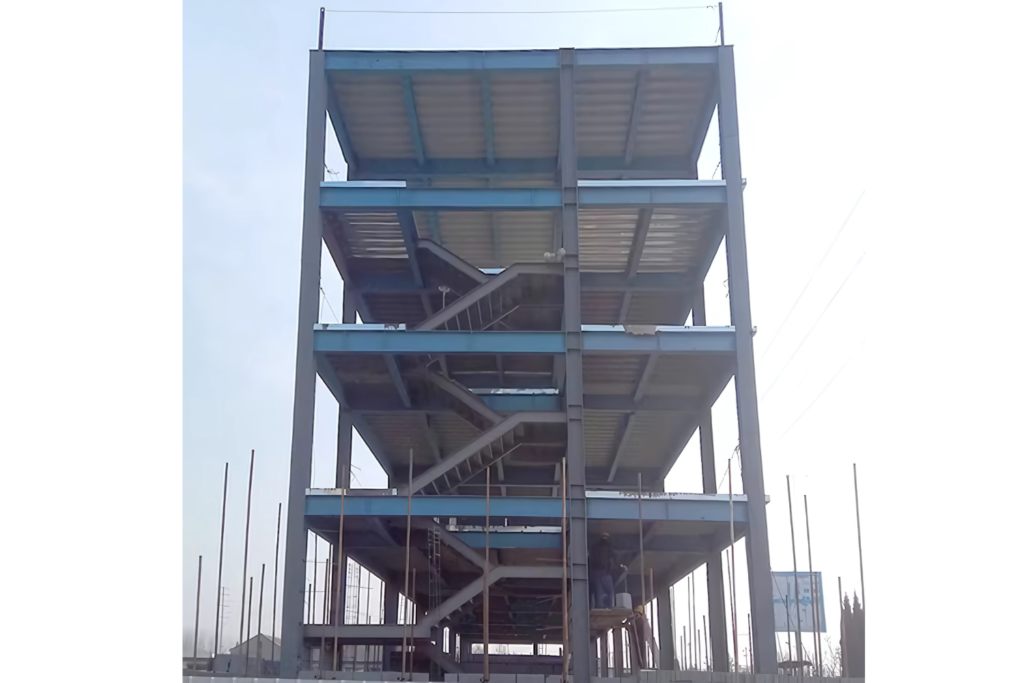

Where Are Decking Sheets Used?
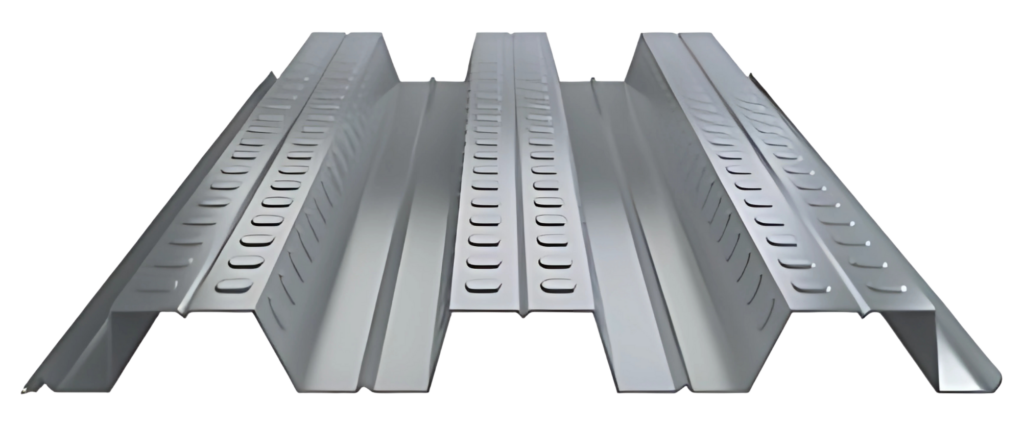
Decking sheets are essential components in today’s construction industry. Renowned for their high tensile strength, durability, and easy installation, they are designed to support heavy loads while improving structural integrity. From high-rise buildings to large-scale bridges, decking sheets are a go-to solution for fast, efficient, and dependable construction.
Applications of Decking Sheets
Decking sheets are highly versatile and can be used across various construction settings. Below are some of the most common applications:
High-Rise Buildings
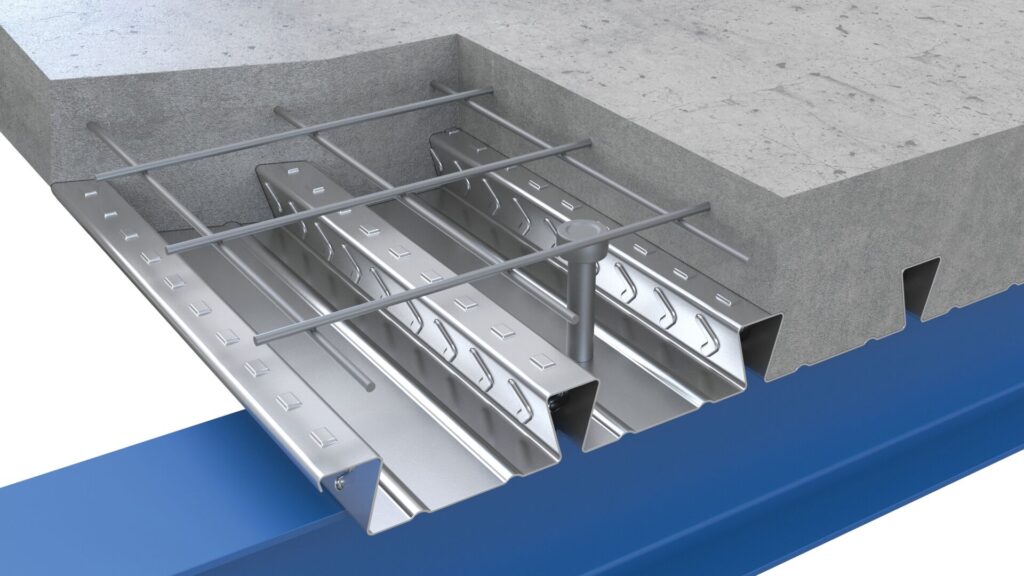
Decking sheets are used as permanent formwork in high-rise buildings, providing strong support for concrete slabs and reducing overall weight on the structure.
Industrial Sheds and Warehouses
Decking sheets are an excellent choice for industrial sheds and warehouses, offering a robust and durable flooring solution capable of supporting heavy machinery and loads. When combined with concrete, they significantly boost structural strength, ensuring lasting performance. Their ability to resist wear and vibrations makes them perfect for high-traffic zones. Additionally, their easy and fast installation helps minimize construction time and labor expenses.
Bridges and Flyovers
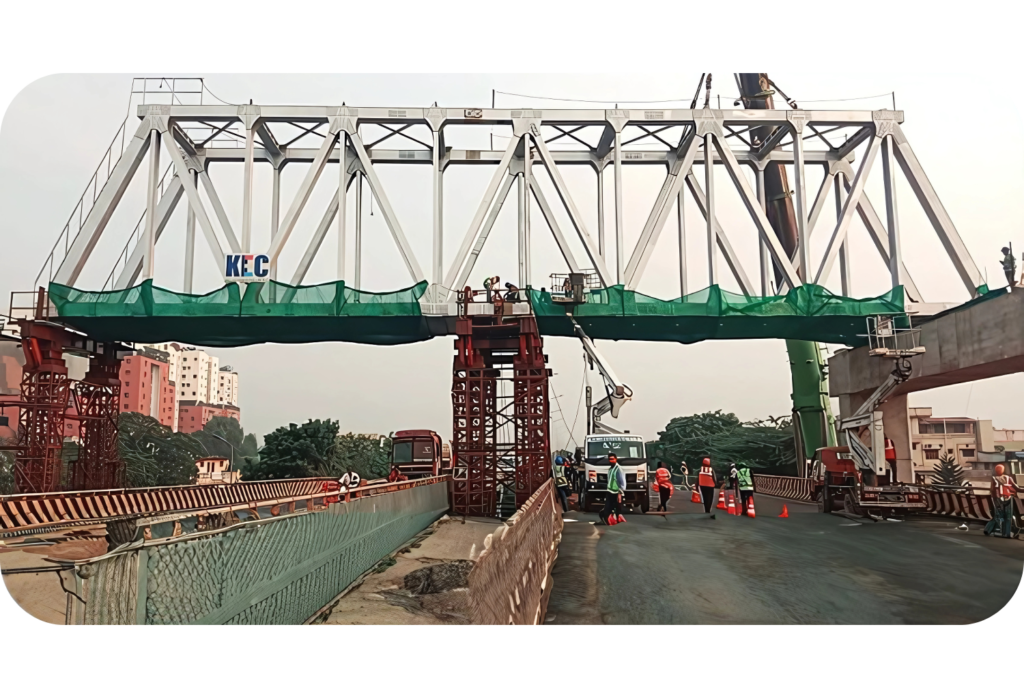
Decking sheets used in bridges and flyovers provide high strength and can easily support heavy loads. They are built to withstand constant movement, vibrations, and the weight of passing vehicles. Acting as permanent formwork, they help speed up construction and reduce the need for extra materials. Their strong and durable design makes them ideal for long-lasting use in major infrastructure projects.
Mezzanine Floors
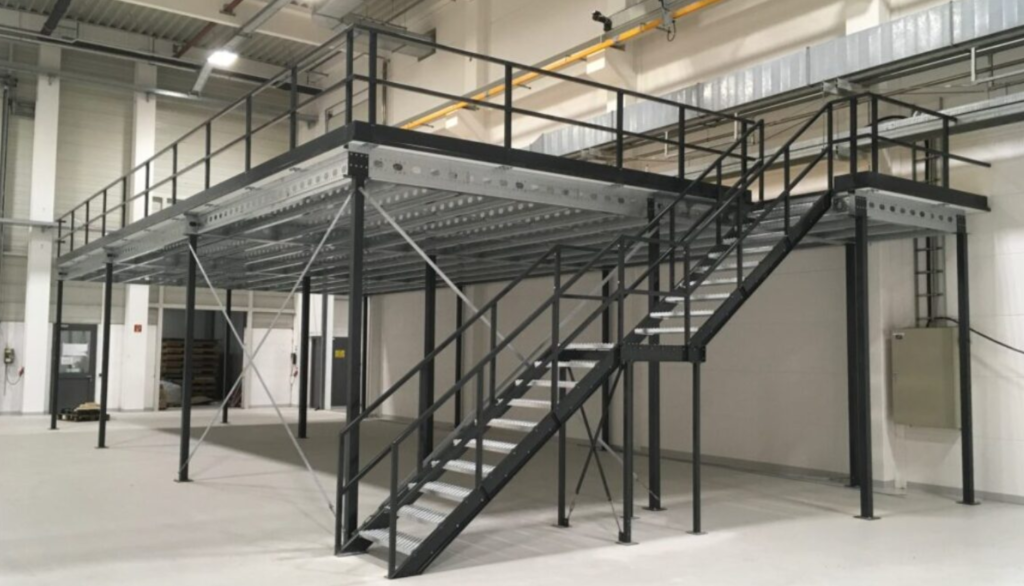
Decking sheets are commonly used to build mezzanine floors in factories, warehouses, and commercial spaces like shopping malls. They help create additional floor space without expanding the building footprint, making the most of vertical space efficiently. Their strength and easy installation make them a cost-effective solution for increasing storage or work areas.
Multistoried Buildings
In multistoried buildings, decking sheets serve as a reliable base for concrete slabs. They enhance the overall structural stability of each floor while reducing the weight on the building’s framework. Their quick installation saves construction time, making them an ideal choice for high-rise residential and commercial buildings.
Railway Stations and Airports
Decking sheets are ideal for high-traffic public areas like railway stations and airports due to their excellent load-bearing capacity and resistance to wear. They ensure long-lasting performance while efficiently handling constant footfall and operational stress
What materials are decking sheets made of?
Decking sheets are primarily made from galvanized steel, which is steel coated with a layer of zinc to prevent rust and corrosion. This makes them strong, long-lasting, and suitable for both indoor and outdoor use. Some manufacturers may also use mild steel or cold-rolled steel, depending on the specific application and structural requirements.
In special cases, decking sheets can be finished with additional coatings like painted finishes, zinc-aluminum alloys, or epoxy coatings for extra protection in harsh environments such as coastal or industrial areas.
What is the purpose of using decking sheets in construction?
Decking sheets are used in construction primarily for flooring and roofing systems, especially in steel and multi-story buildings. Their purpose includes:
- Structural Support:
Decking sheets act as a strong base that supports the concrete slab in floors and roofs. They help distribute loads evenly across the structure. - Composite Action:
When concrete is poured over the decking sheet, it bonds with the sheet to form a composite floor system, enhancing overall strength and stability. - Reduced Construction Time:
Since decking sheets serve as both formwork and part of the structural system, they eliminate the need for temporary wood or metal supports—speeding up the construction process. - Cost Efficiency:
Saves on labor and formwork costs due to its dual purpose (formwork + reinforcement). - Lightweight Yet Strong:
Though lightweight, decking sheets provide excellent load-bearing capacity, making them ideal for high-rise construction. - Durability & Fire Resistance:
Galvanized steel decking sheets resist corrosion and often contribute to the fire resistance of the overall floor system.
What is the load-carrying capacity of a decking sheet?
The load-carrying capacity of a decking sheet depends on several factors, including:
Thickness (Gauge) of the Sheet – Thicker sheets (e.g., 1.2mm or 1.5mm) can carry more load than thinner ones (e.g., 0.8mm).
Profile Design – The depth and shape of the decking profile (e.g., 44mm, 76mm profile height) significantly influence the structural strength.
Span Length – The distance between two supports (beam-to-beam spacing). Longer spans reduce the load capacity.
Grade of Steel – Higher-grade steel (e.g., 550 MPa) provides higher strength.
Type of Loading – Static (like concrete slab weight) vs. dynamic (temporary construction load).
For detailed information and specific values, please refer to the load-carrying capacity chart in the link below:
👉 [Click Here]